Selling Your Venice Island Condo: Marketing, Timing & Pricing
April 16, 2026
April 16, 2026
Wondering why some Venice Island condos attract strong attention while others sit for months? If you are preparing to sell near Bellagio on Venice Island, the answer usually comes down to three things: marketing, timing, and pricing. In a condo market with more inventory, longer selling timelines, and a high share of cash buyers, your strategy matters from day one. Let’s dive in.
If you are selling a condo on Venice Island, you are entering a market that is slower and more inventory-rich than the detached-home segment. In the Venice-area January 2026 condo and townhome report, there were 53 closed sales, a $300,000 median sale price, 116 days to sale, 447 active listings, and 7.6 months of supply, according to the Venice Area Board of Realtors market report.
That market pace matters when you set expectations. The same report shows sellers received about 90.6% of original list price, which is a strong reminder that overpricing can cost you time and negotiating power.
Countywide, the condo market has also remained soft compared with single-family homes. Sarasota County’s 2025 condo and townhome data showed 3,295 sales, 112 days to sale, 2,231 active listings, and 8.1 months of supply, while single-family homes were tighter at 4.7 months of supply and 99 days to sale, based on the same market report source.
One of the biggest factors in this market is the buyer mix. In the Venice-area January 2026 condo and townhome report, 75.5% of closed sales were cash. Sarasota County’s 2025 condo and townhome data also showed a cash-heavy market at 64.7% cash sales, according to the Venice Area Board of Realtors report.
For you as a seller, that means buyers often focus on certainty and clean execution. They may move quickly, but they also tend to compare listings closely and expect clear documentation, realistic pricing, and straightforward answers about the condo association, fees, reserves, and property condition.
Financed buyers are still in the market, but they may be more selective. If your condo building or association raises questions about budgets, reserves, insurance, or inspections, buyers can hesitate or move on.
This is one of the most common pricing mistakes on Venice Island. If your condo is near desirable single-family neighborhoods or close to lifestyle amenities around Bellagio and downtown Venice, it can be tempting to let nearby house values influence your asking price. In practice, condo buyers and appraisers look at condo comparables, not detached homes.
That distinction matters even more in a market with 7.6 to 8.1 months of condo supply. When buyers have options, an aggressive list price can push your property into a longer market cycle and lead to price reductions later.
A smart pricing plan should consider:
The goal is not simply to list high and negotiate down. The goal is to enter the market in a position that attracts serious buyers before your listing goes stale.
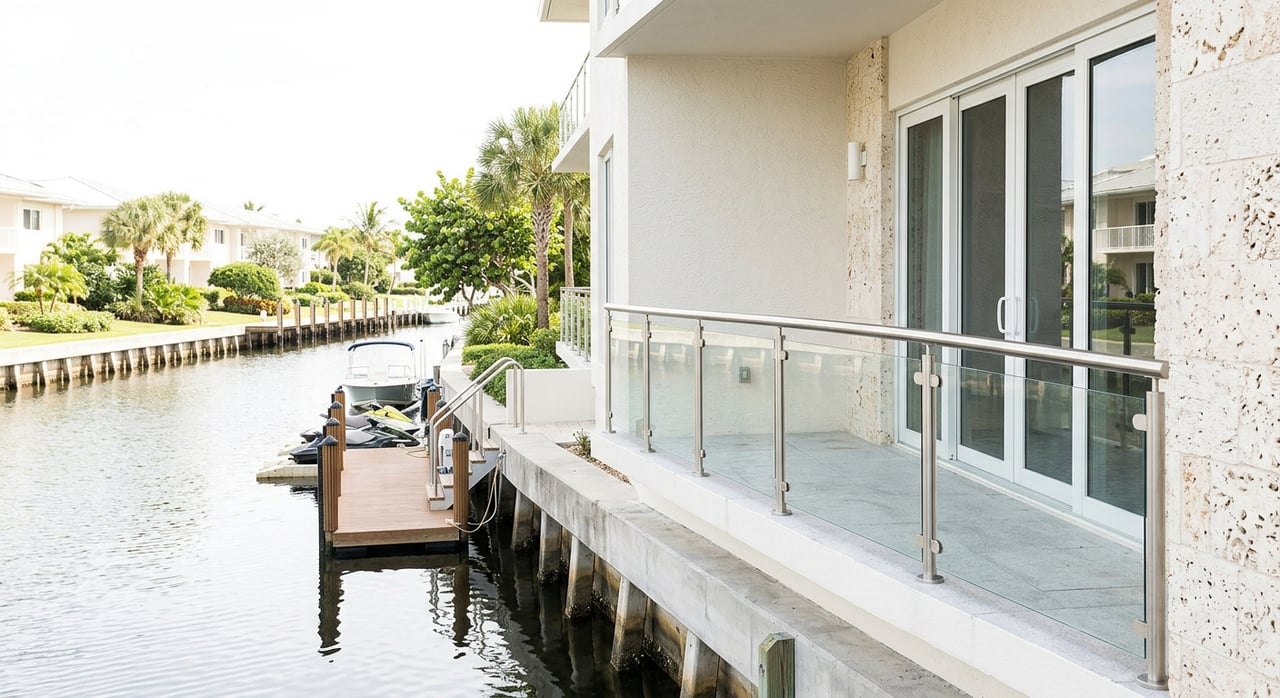
On Venice Island, square footage is only part of the story. Buyers are often choosing a lifestyle first, then a property second. That is why your marketing should focus on what daily life looks like from your condo.
Venice has a strong lifestyle narrative backed by local amenities. Downtown Venice offers boutiques and restaurants across several avenues, free parking, and direct connections to the surrounding island experience. Venice Beach sits at the west end of West Venice Avenue, offers free parking and lifeguards, and the Venice Fishing Pier has free admission with 24/7 access.
That walkable, connected setting aligns with broader buyer preferences. The NAHB’s 2024 buyer-preference research found that many buyers value convenience, walkability, and access to parks, trails, and retail. On Venice Island, that translates into a real advantage for condos near downtown, the beach, Venetian Waterway Park, and the Legacy Trail.
If your condo is marketed only by room count and finishes, you may miss what buyers actually care about. Your listing should show how the location supports low-maintenance coastal living.
Bellagio on Venice Island is a useful hyperlocal reference point because it helps ground the conversation in a recognizable Venice Island lifestyle setting. Community information describes Bellagio as a gated neighborhood with about 142 homes and amenities such as a clubhouse, pool, tennis, fitness features, and trail access, according to local Venice Island community information.
For condo sellers nearby, that kind of context matters because buyers often compare the broader Venice Island lifestyle, not just one property type. They may be deciding between a condo and another low-maintenance option based on beach access, walkability, trails, recreation, and how much upkeep they want.
That is why strong condo marketing should connect your property to the larger Venice Island experience. You are not just selling interior space. You are selling proximity to the features that make this area appealing in the first place.
Timing can improve your results, even though good listings can sell year-round. Visit Sarasota County notes that peak tourism season typically runs from January through April, which supports a winter-to-early-spring selling window for Venice Island condos.
That seasonal pattern makes sense. More visitors are in town, seasonal buyers are active, and second-home shoppers are often touring communities in person during that part of the year.
Late spring and summer can still work, but the selling conversation often changes. The City of Venice hurricane information page notes that hurricane season runs from June 1 through November 30, and buyers may become more cautious about travel, insurance, flood zone questions, and storm preparation.
If you are planning ahead, the best approach is usually to prepare early so your condo shows at its best before the highest seasonal traffic arrives. That gives you time to gather documents, handle repairs, improve presentation, and launch with a stronger first impression.
In this market, strong marketing should answer a buyer’s next question before they ask it. That starts with visuals, but it also includes clear information.
Your listing photos should make the location benefits obvious. If your condo has a balcony, lanai, water view, beach proximity, trail access, parking, or storage, those details should be featured early and clearly.
Your marketing should also highlight concrete lifestyle points, such as:
Avoid vague claims or broad superlatives. Specific details build trust and help buyers picture themselves living there.
Florida condo resales come with disclosure requirements that matter directly to your sale. Under Florida Chapter 718, resale buyers are entitled to key association documents, including the declaration, articles, bylaws and rules, annual financial statement, annual budget, and, when applicable, milestone inspection summaries, the most recent structural integrity reserve study, and turnover inspection reports.
This is not just a paperwork issue. The statute also makes the resale contract voidable if disclosure language is not handled correctly, so preparation matters.
Before you list, it helps to confirm facts that buyers commonly ask about, including:
These details should be verified against the actual association documents, not memory or old marketing remarks. Clean, accurate information reduces delays and builds buyer confidence.
Buyers in today’s condo market often ask deeper questions earlier in the process. For buildings that are three habitable stories or higher, Florida Statute 718.112 requires a structural integrity reserve study at least every 10 years and addresses reserve items such as roofing, structure, fire protection, plumbing, electrical systems, waterproofing or exterior painting, and windows or exterior doors.
If a study or inspection reveals funding gaps, special assessments or loans must be reflected in the annual financial statement and shared with purchasers. Even when your condo is beautifully updated, buyers may still pause if they feel uncertain about reserves, maintenance planning, or future costs.
That is why transparency is so important. When buyers understand the numbers and documents upfront, they are more likely to stay engaged and move forward with confidence.
If you want to improve your odds of a smooth sale, focus on the basics that matter most in this market.
Review true condo comparables, current competition, and realistic days-on-market expectations before you list. A strong launch price is often more effective than chasing the market with later reductions.
Request association documents, budgets, financials, and any available inspection or reserve information as early as possible. This helps you answer buyer questions quickly.
Market the features buyers can clearly understand and verify, such as beach access, downtown convenience, trail connectivity, parking, storage, and building amenities.
If buyers are likely to ask about insurance, storm preparation, maintenance, or building age, prepare clean answers. In a cautious condo market, clarity helps more than spin.
If possible, aim to be market-ready ahead of the January-to-April peak. If you sell later in the year, make sure your marketing and disclosures address common storm and insurance concerns.
Selling a Venice Island condo near Bellagio is not about using a one-size-fits-all playbook. It takes local pricing discipline, strong lifestyle marketing, and careful document preparation. If you want a relationship-first strategy built around your goals and the realities of today’s Venice condo market, connect with Julie Willett, PLLC.

My mission is to provide both buyers and sellers with an exceptional real estate experience! Exceeding your expectations is my top priority!