Venice Island vs Mainland Home Values: What to Know
November 6, 2025
November 6, 2025
Trying to choose between a home on Venice Island or one on the mainland? You’re not alone. You likely want the best mix of beach access, space, and long‑term value without surprises. In this guide, you’ll learn what truly drives pricing on both sides of the Intracoastal Waterway, which costs matter most, and how to match location with your lifestyle and budget. Let’s dive in.
Venice Island places you close to the beach, the pier, and the historic downtown along Venice Avenue. If you value walking to restaurants, shops, and cultural spots, that convenience can justify a higher price per square foot. Many buyers prioritize daily beach access and evening strolls over extra garage space or yard size.
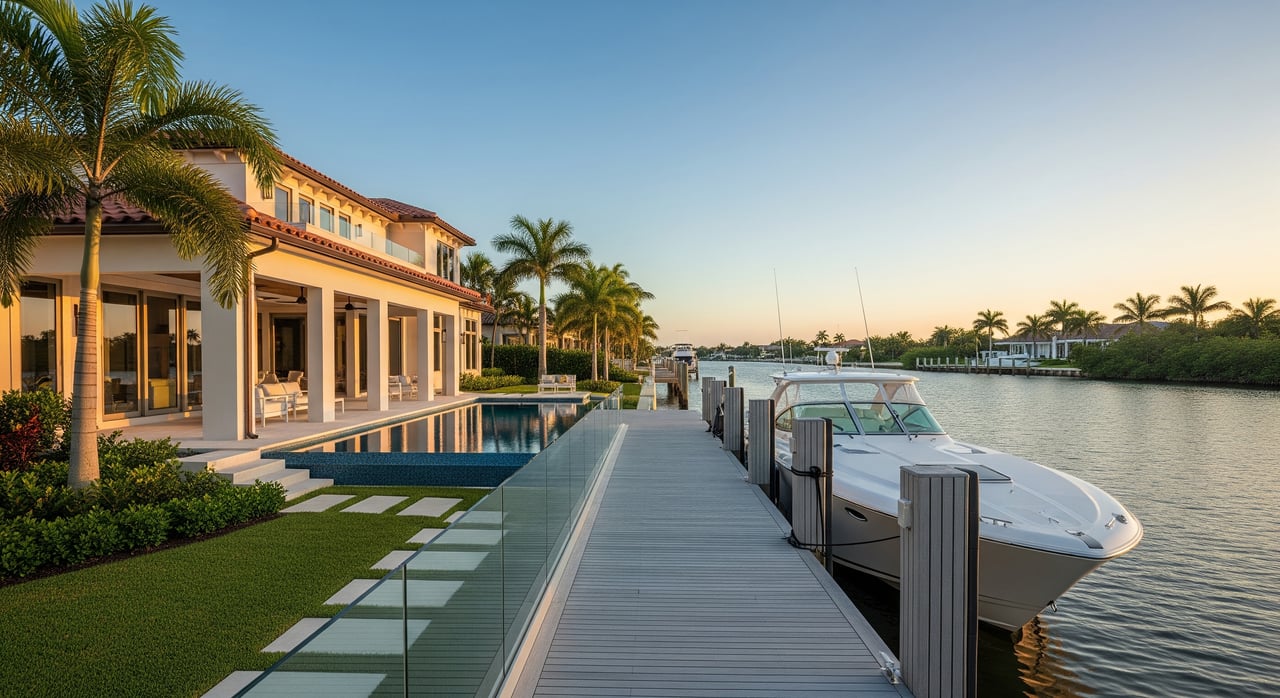
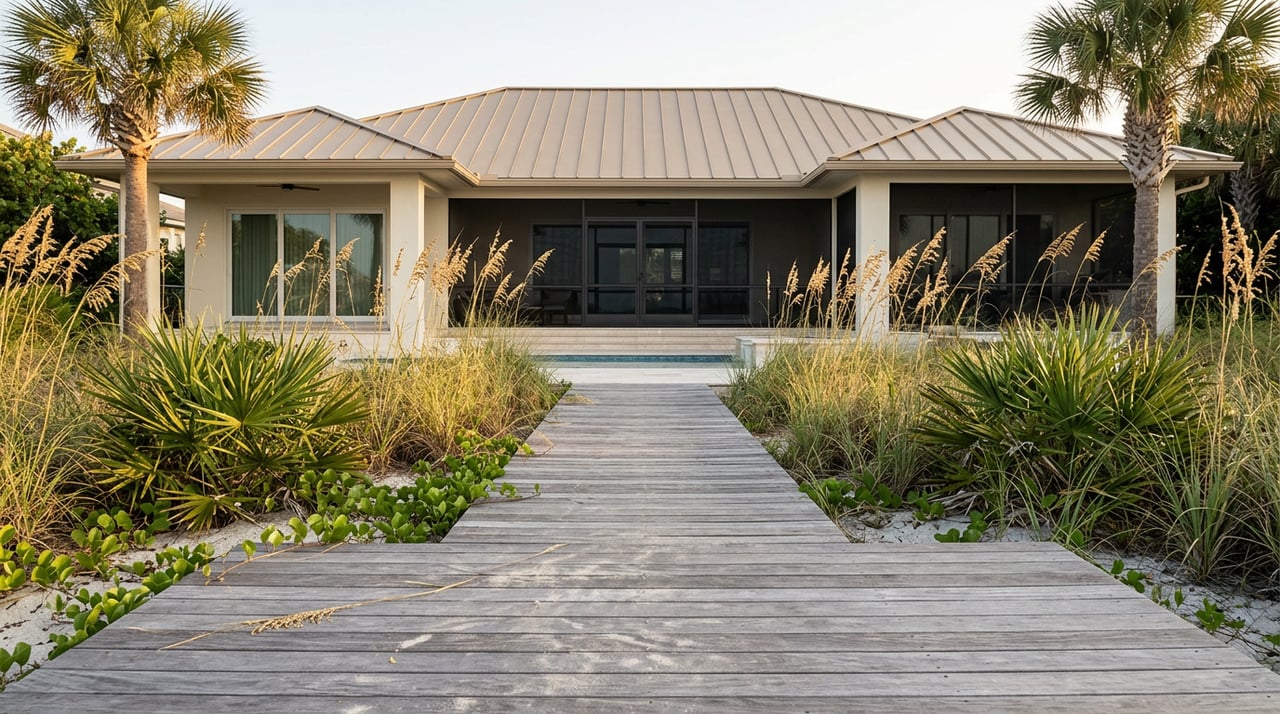
Gulf and Intracoastal views, and locations near beach access, often command higher prices. Water adjacency is a classic driver of value. Even partial views or quick access to the sand can increase desirability compared with similar homes farther inland.
The island has a finite footprint and a limited supply of buildable lots. When demand rises, constrained inventory tends to push prices higher. By contrast, the mainland has more room for subdivisions and new phases, which can temper price growth through competition.
Venice Island’s walkable beach-town setting attracts seasonal and second-home buyers who often pay more to be close to the water. Retirees and downsizers may prefer low‑maintenance condo living with easy access to dining and the pier. These buyer groups strengthen demand for island properties, especially renovated condos and cottages.
Many island parcels sit in FEMA‑designated coastal flood zones. If you finance your purchase, your lender may require flood insurance in addition to a homeowner and wind policy. Premiums on coastal lots can be higher than inland properties. Rates depend on your exact flood zone, elevation certificate, finished floor height, and mitigation features.
Private flood insurance may be available alongside the National Flood Insurance Program. Florida’s property insurance market changes frequently, so plan to obtain quotes early and compare options for both island and mainland homes.
Coastal exposure increases wear on exterior surfaces, metal components, HVAC systems, and roofs. You may repaint or replace hardware more often than inland. If a home is elevated or built on pilings, it can require specialized maintenance as well. Budget for proactive upkeep when comparing island vs. mainland costs.
New builds and substantial renovations in coastal areas must meet Florida Building Code requirements for wind and flood. Waterfront changes like docks or seawalls can require permits from city, county, and sometimes state or federal agencies. These layers can lengthen timelines and add cost. Factor permitting feasibility into your plans before you buy.
Property taxes follow assessed value, so higher island sale prices often translate to higher tax bills. Many island condos also include monthly association fees that cover building insurance, maintenance, and amenities. Those fees can meaningfully affect your carry cost even when the purchase price looks similar to a mainland option.
Long‑term sea‑level rise and high‑tide nuisance flooding are part of today’s coastal due diligence. Elevation and local flood defenses matter. Some buyers and lenders weigh long‑term resiliency when valuing properties, which can influence appreciation patterns over decades.
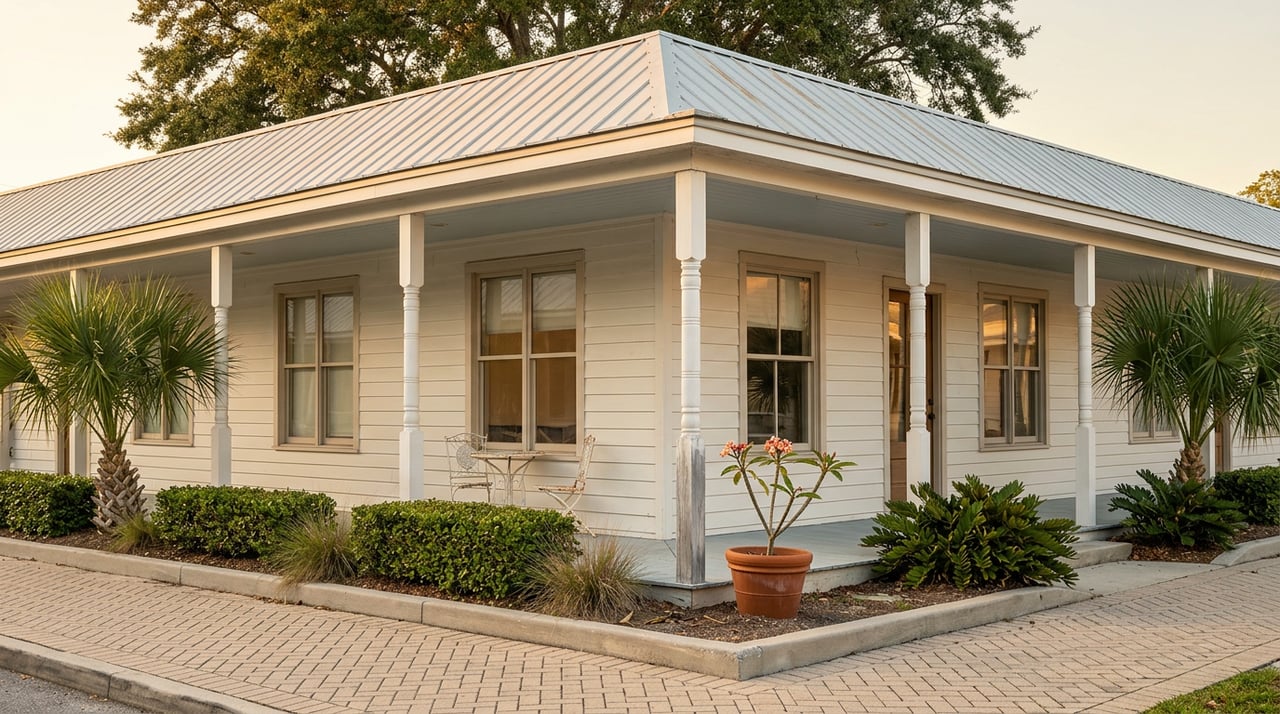
The island includes a higher share of condos, smaller‑lot single‑family homes, and cottage‑style houses near downtown and the beach. Many properties were built in the mid‑20th century, and you’ll see a mix of original character, partial updates, and fully renovated or rebuilt homes. Renovated island cottages and condos near the water often carry notable premiums.
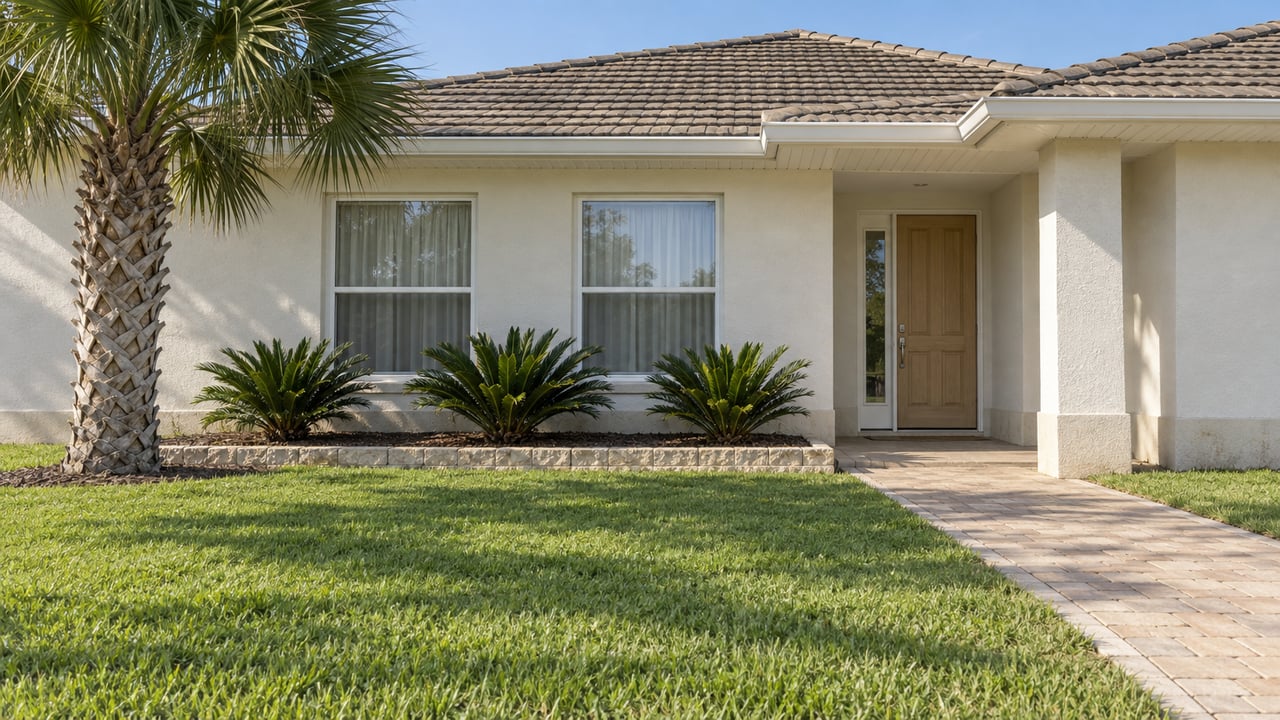
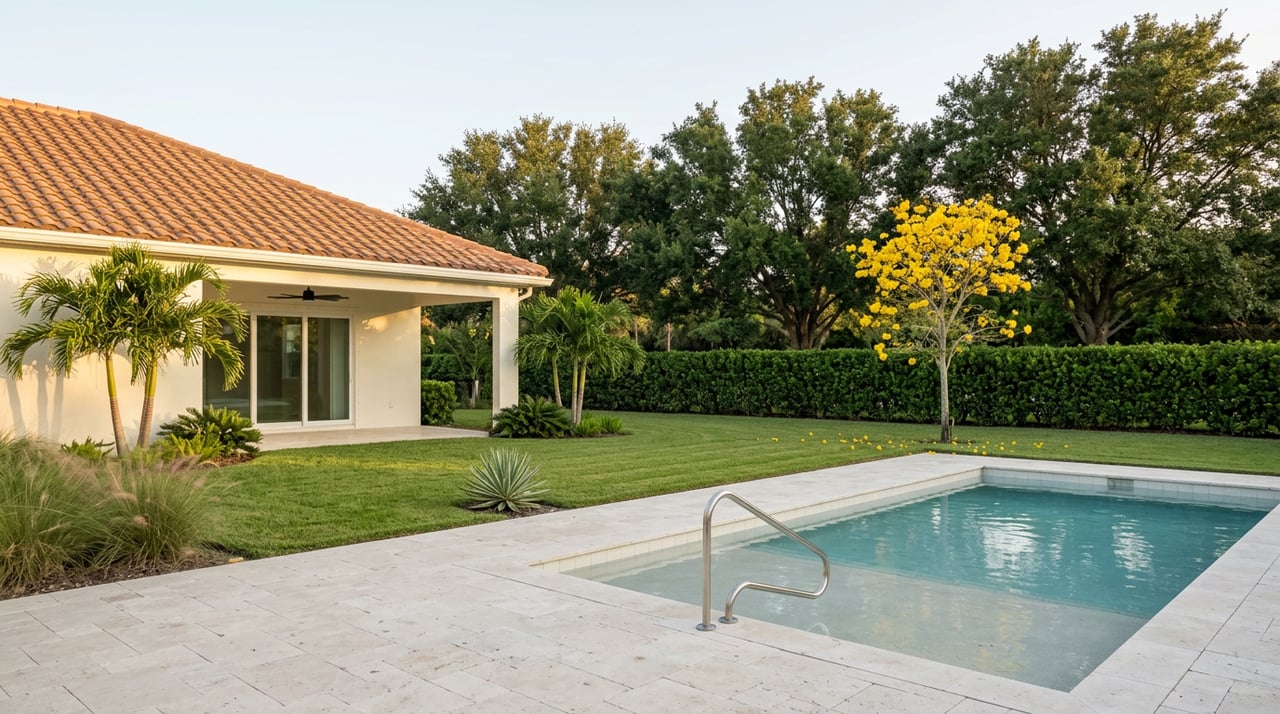
On the mainland, you’ll find more single‑family homes on larger lots, newer construction, and planned communities. Some neighborhoods are gated and offer amenities like pools, fitness, and clubhouses. Inventory volume is usually higher, which can create more price competition and options at each price point.
If you rely on vehicles, boats, or hobby gear, the mainland typically offers larger garages, driveway space, and storage. On the island, you might trade a two‑car garage for walkability. Narrower streets and limited parking at some properties can be a practical deciding factor.
Vacation rental potential can boost a property’s appeal, but local and association rules vary across buildings and neighborhoods. Some island condos limit short‑term rentals, and transient occupancy taxes apply where permitted. If rental income matters to your plan, confirm city and HOA policies before you write an offer.
Use this quick list to compare two properties side by side.
Walkable island properties appeal to a defined buyer pool that values proximity to the beach and downtown. Limited inventory can support stronger price per square foot, though turnover may be lower in some pockets. Mainland neighborhoods often see steadier resale volume and attract broader buyer segments, which can help with liquidity when you decide to sell.
Looking ahead, insurance costs and flood considerations will remain central to pricing on both sides of the Intracoastal Waterway. The best approach is to evaluate property‑specific elevation data, current insurance quotes, and recent comparable sales to understand value today and resilience over time.
Both the island and the mainland can be the right move, depending on what you value most. If you want the rhythm of a walkable beach town and you are comfortable with coastal ownership costs, the island delivers. If you want space, newer construction, and easier parking and storage, the mainland offers strong options across price points.
If you’d like a side‑by‑side comparison based on real comps, elevation data, and current insurance quotes, let’s talk. Relationships come first here, and thoughtful guidance is how you get the right fit. Let’s find your Venice home with BuyingVenice.com.
My mission is to provide both buyers and sellers with an exceptional real estate experience! Exceeding your expectations is my top priority!