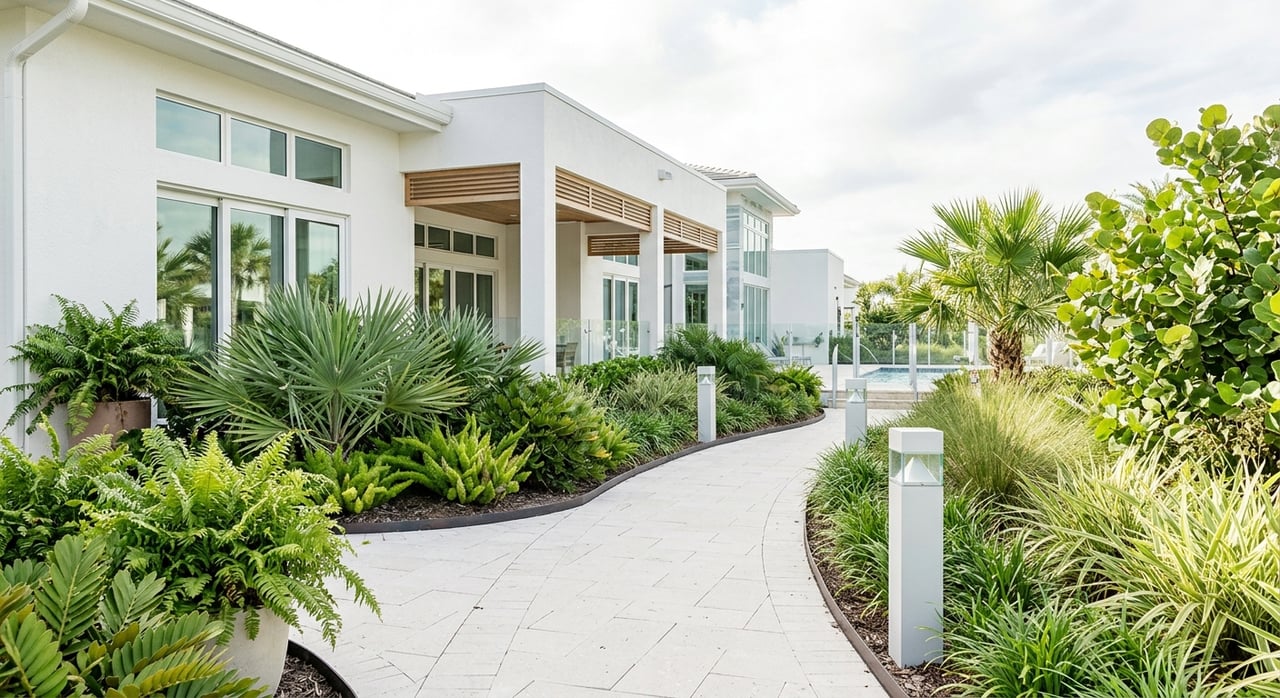
Venice FL HOA Communities: What HOA Fees May Cover
July 23, 2026
July 23, 2026
Wondering why one Venice HOA fee looks manageable while another seems surprisingly high? You are not alone. In Venice, association costs can include much more than a simple monthly dues line, and understanding what you are really paying for can help you compare communities with far more confidence. Let’s dive in.
When you look at a home in a Venice HOA or condo community, the fee is often covering both current services and future repair planning. Under Florida law, HOA budgets must show annual operating expenses and may also include reserve funding for capital expenditures and deferred maintenance.
That means your fee may support things you notice every day, like landscaping or amenity upkeep, and things you may not see, like savings for future repairs. Florida law also requires associations to separately identify fees or charges for recreational amenities in the budget.
In condo communities, common expenses can be even broader. They may include operation, maintenance, repair, replacement, insurance, road maintenance, communications, and security services that benefit owners as a whole.
A common mistake is comparing only the monthly HOA number. In Venice, the true ownership cost can be layered with condo dues, reserve funding, club memberships, and sometimes CDD assessments billed separately.
That is why two homes with similar prices can have very different ongoing costs. One community may include more services and amenities in the dues, while another may leave more expenses to the owner.
In Wellen Park, for example, a 2026 community brochure shows HOA dues ranging from about $200 to $300 per month to more than $500 per month. It also notes that fees can vary by homesite and may not reflect total community fees.
Florida HOA law helps explain this. Assessments can differ among parcel classes based on development stage or services received, depending on the governing documents.
In many Venice communities, a higher fee often means you are paying for convenience, amenities, or both. That can be appealing if you want lower day-to-day maintenance responsibilities or access to more shared features.
For example, Sarasota National describes amenities such as clubhouse dining, fitness, spa rooms, pools, bocce, pickleball, tennis, a playground, a dog park, and golf-course living. Its fact sheet also says golf-village homes include a membership, while Lake Village homes do not, and that HOA assessments are billed quarterly.
The Venetian Golf & River Club shows another model. All residents have access to River Club amenities like tennis courts, a nature park, fitness classes, and a pool and spa, while golf membership is optional.
Venice Golf & Country Club has a different structure again. There, the HOA manages landscaped common areas, lakes, roads, preserves, and security, and all homeowners must choose a Golf, Recreational, or Social membership.
The takeaway is simple: a higher fee is not automatically bad, and a lower fee is not automatically better. What matters is what is included, what is separate, and what responsibilities stay with you.
In some Venice-area communities, especially in larger planned developments, you may also see a CDD assessment. This is different from your HOA fee.
The West Villages Improvement District explains that district assessments help fund roads, water, infrastructure, and improvements to public property. These charges are paid annually through the Sarasota County tax bill, are tied to the benefits received rather than home value, and cannot be opted out of.
That means a home can have both HOA dues and a separate district assessment. If you only compare the HOA line item, you may miss a meaningful part of the annual cost.
Before you compare one Venice HOA community to another, ask for the documents that show how the fee works. Florida HOA law requires the annual budget to show operating expenses, estimated revenues and expenses, and any reserve accounts.
Members are entitled to the budget, and official records include governing documents and other core association records. For condo purchases, buyers should ask for the declaration, articles of incorporation, bylaws, rules, the most recent annual financial statement, the annual budget, and any applicable inspection or reserve documents.
If you are deciding between multiple communities, focus on the total annual ownership cost, not just one advertised monthly fee. That gives you a much more accurate picture of what living there may cost.
When you review a community, these are some of the most useful questions to ask:
These questions matter because Venice communities often package costs differently. Two neighborhoods may offer a similar lifestyle on the surface, but the fee structure can work very differently underneath.
Not every fee is paid the same way. Some are monthly, some quarterly, and some annual.
Sarasota National, for example, states that HOA assessments are billed quarterly. CDD assessments in district communities are commonly collected annually on the county tax bill.
That timing matters for your budget planning. A lower monthly HOA may still come with a sizable annual district bill or a separate membership expense.
One of the biggest reasons fees deserve a closer look is reserve funding. Reserve money is set aside for future capital expenditures and deferred maintenance, which can reduce the risk of surprise bills later.
For Florida HOAs, the budget must include a clear warning if it does not provide fully funded reserves for capital expenditures and deferred maintenance that may result in special assessments. In other words, a community with lower dues may also carry a higher chance of additional costs down the road.
For certain Florida condos, reserve planning is even more structured. Qualifying buildings must complete a structural integrity reserve study at least every 10 years, and required items include major components like the roof, structure, fire protection, plumbing, electrical systems, waterproofing or exterior painting, and windows and exterior doors.
Condo reserve funds may be funded through regular assessments, special assessments, lines of credit, or loans. If a special assessment is imposed, Florida law requires that its purpose be stated in writing and that the funds be used only for that purpose.
It is easy to assume that lower fees mean better value. Sometimes they do, but not always.
A lower-fee community may leave more maintenance, insurance, or future repair responsibility on you. A higher-fee community may cover more services, support stronger reserve planning, or include access to amenities that would otherwise cost extra.
That is why the smarter comparison is not cheapest versus most expensive. It is what you pay versus what you get.
If you are trying to choose between neighborhoods, use a simple side-by-side approach. Compare:
This kind of review gives you a fuller picture of the lifestyle and carrying cost. It also helps you avoid surprises after closing.
If you are buying in Venice, it helps to work with someone who knows how these community structures differ from one neighborhood to the next. The right guidance can save you time and help you focus on communities that truly fit your budget and goals. When you are ready to compare Venice HOA communities with a local, relationship-first approach, connect with Julie Willett, PLLC.


My mission is to provide both buyers and sellers with an exceptional real estate experience! Exceeding your expectations is my top priority!